
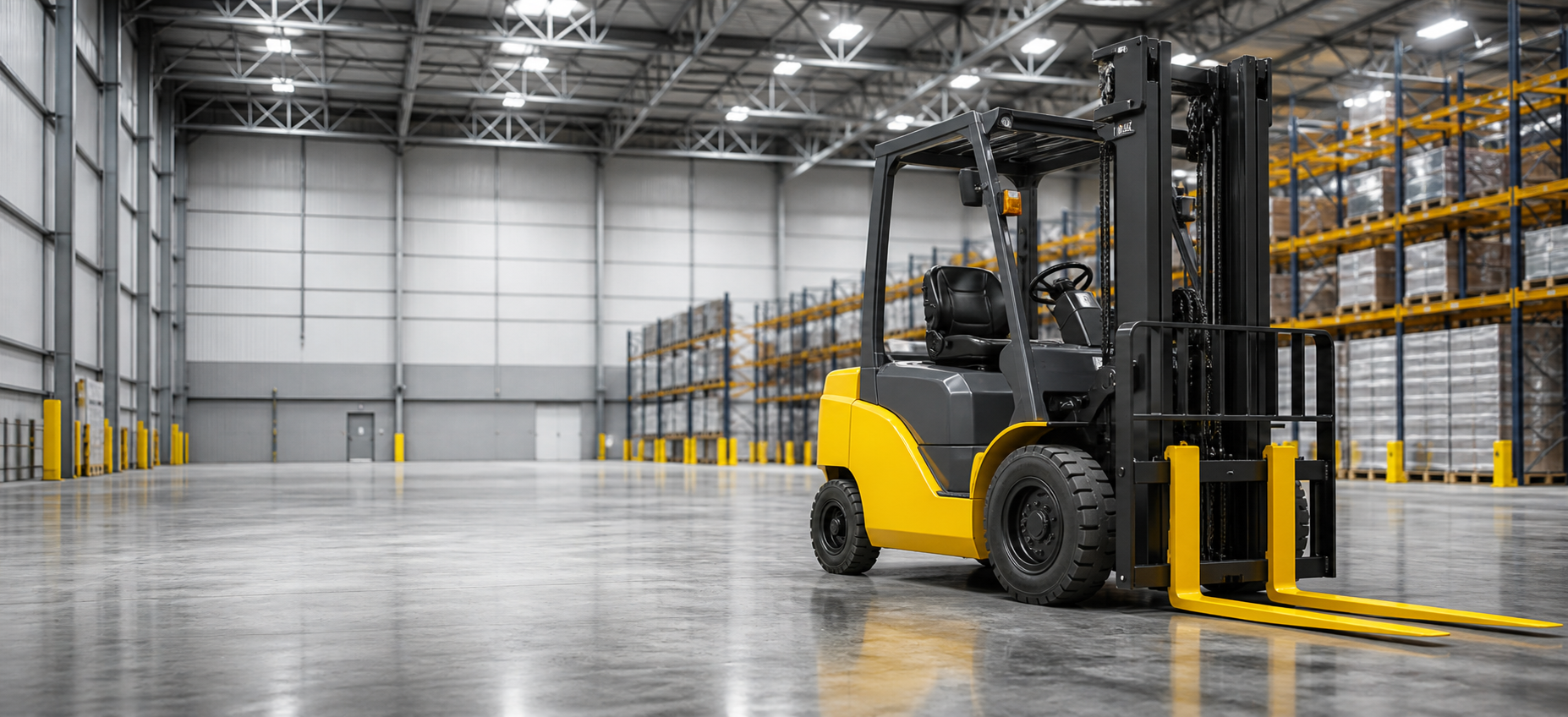
Start with the actual job
Doncaster employers often need forklift operators for warehouses, loading bays, yards and manufacturing units. The best course route is not just about the name of the truck. It should reflect the loads being moved, the surface, racking layout, pedestrian routes and how experienced the operator already is.
A new operator may need a full novice route. Someone with informal seat time may need experienced operator training. A trained operator moving onto a different truck or attachment may need conversion training. If the site, equipment or working pattern has changed, refresher training can help reset safe habits.
What to tell KSFTT before booking
- The truck type, capacity and whether it is counterbalance, reach truck or another category.
- Whether the operator is novice, experienced, returning after a gap or changing equipment.
- The main workplace risks, including vehicles, pedestrians, loading docks, slopes and racking.
- Whether training is for an individual operator or a team.
Why workplace context matters
Official HSE guidance separates lift-truck operator training into basic training, specific job training and familiarisation. That matters because a certificate alone is not the whole picture. Operators also need to understand the site they are working in and the procedures their employer expects them to follow.
Useful reference: read the HSE page on lift-truck training and the HSE publication page for Rider-operated lift trucks L117.